 Skip to content


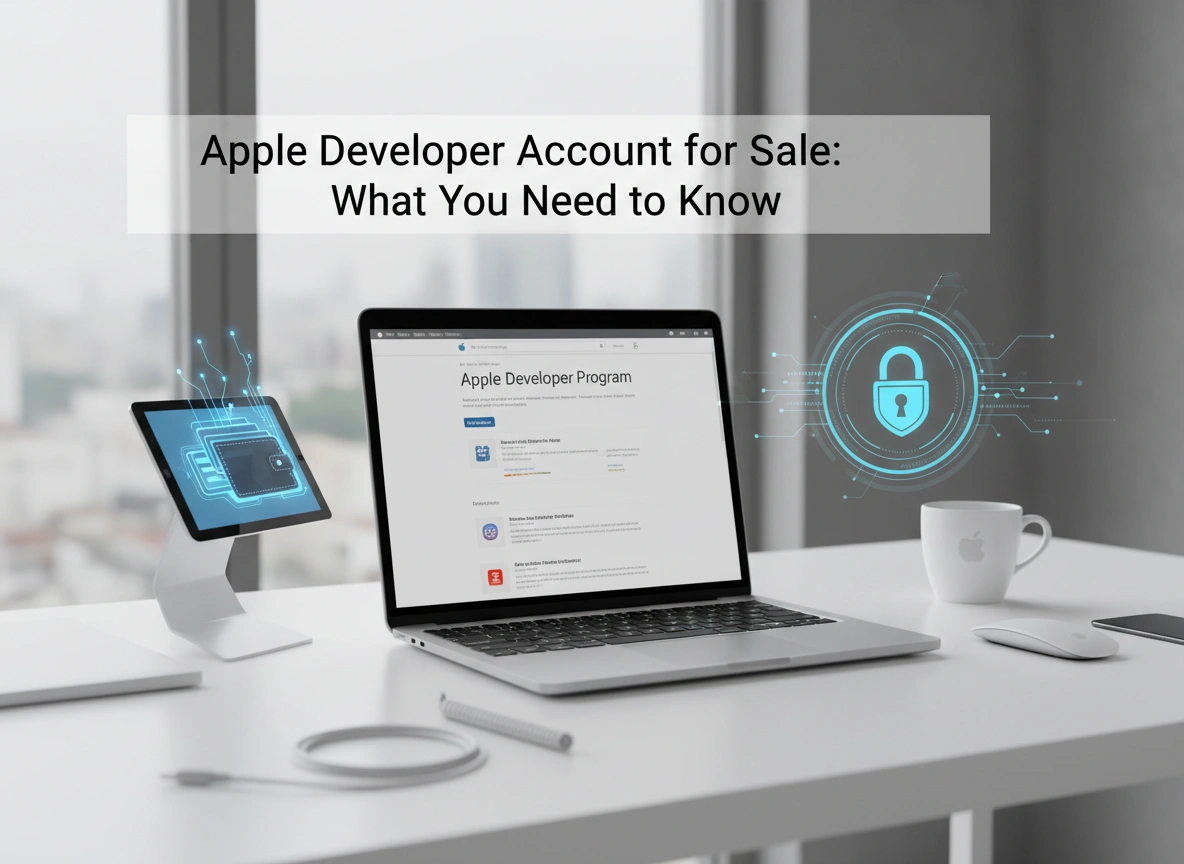
The Apple App Store remains one of the most lucrative marketplaces for software developers globally. To access this exclusive ecosystem, developers need a key: the Apple Developer Account. This account is the gateway to publishing apps, accessing beta software, and utilizing advanced app capabilities like Apple Pay and iCloud storage.
For many, the standard registration process is straightforward. However, a secondary market has emerged where individuals and businesses look to buy established Apple Developer Accounts rather than creating new ones. This practice, often labeled as “Apple Developer Account for Sale,” is fraught with complexity, opportunity, and significant risk.
This article explores the nuances of this marketplace. We will examine why developers seek out pre-owned accounts, the serious risks involved in purchasing them, and the critical legal implications you must understand. Whether you are a startup looking for a shortcut or an established developer curious about the industry’s gray areas, this guide provides the essential information you need.
Why Do People Buy Apple Developer Accounts?
Contents
At first glance, buying an account that costs $99 a year to create yourself might seem counterintuitive. However, several specific motivations drive this underground market. Understanding these reasons helps clarify why the demand exists despite the risks.
Avoiding Verification Delays
Apple has significantly tightened its verification process in recent years. New accounts, especially for organizations, require D-U-N-S numbers, legal entity verification, and sometimes phone interviews. This process can take weeks or even months in certain regions. Developers who need to launch an app immediately often view buying a verified account as a way to bypass these bureaucratic hurdles.
Accessing Legacy Features
Older developer accounts sometimes possess grandfathered privileges or a trusted status that new accounts lack. While Apple strives for uniformity, algorithms may flag new accounts for stricter review processes more frequently than aged accounts with a clean history. Some buyers believe an older account offers a smoother path through the App Review process.
Geographical Restrictions
Developers in certain countries face sanctions or payment processing limitations that prevent them from opening an Apple Developer Account directly. For these individuals, purchasing an account registered in a different region (like the US or UK) is often the only way to distribute their apps to a global audience.
The “Burner” Account Strategy
Unfortunately, some buyers have malicious intent. Developers who plan to release apps that violate Apple’s guidelines—such as gambling apps disguised as utilities or spam applications—often buy accounts in bulk. They expect the account to be banned eventually, treating it as a disposable asset.
The Serious Risks of Buying an Account
While the reasons for buying might seem practical, the dangers are substantial. Apple’s ecosystem is built on trust and strict identity verification. Attempting to circumvent this can have devastating consequences for your business.
Violation of Terms of Service
The most immediate risk is a direct violation of Apple’s Developer Program License Agreement. Apple explicitly prohibits the transfer of accounts between different legal entities without their consent. If Apple detects that an account has changed hands illicitly—through IP address changes, new banking information, or login patterns—they can terminate the account immediately.
Permanent Blacklisting
When Apple terminates an account for fraud or policy violations, they don’t just ban the account; they ban the developer. They track associated credit cards, hardware IDs (Macs used to upload builds), and even code signatures. If you buy an account that gets banned, your legitimate personal account and any future accounts you try to create could also be permanently blacklisted.
Financial Loss and Scams
The market for these accounts is unregulated and rife with scammers. It is common for a seller to take payment and never deliver the credentials. Even worse, a seller might sell the account, wait for you to upload a successful app, and then use the account recovery process to “reclaim” the account, effectively stealing your revenue and your codebase.
Legal Liability
If you purchase an account that was previously used for illegal activities (such as money laundering or distributing malware), you could inadvertently inherit legal liability. Authorities investigating the previous owner’s activities might trace the account to you, leading to complicated and expensive legal battles to prove your innocence.
If You Must Buy: Tips for Security
We strongly advise against purchasing an account due to the violation of Apple’s terms. However, if you determine that the business risk is acceptable for your specific situation, you must proceed with extreme caution. Here are tips to mitigate—but not eliminate—the danger.
Verify the Seller’s Reputation
Never buy from anonymous forums or social media marketplaces without escrow services. Look for established platforms where sellers have a history of feedback. Ask for proof of ownership and check the account’s history. Has it ever had apps rejected? Has it received any warnings from Apple?
Secure the Transfer of Assets
When taking over an account, ensure you receive not just the login credentials, but access to the associated email address and the recovery phone number. Without these, the original owner can reset the password at any time.
Change All Credentials Immediately
As soon as you have access, change the Apple ID password, the associated email address (if possible), and update the two-factor authentication (2FA) settings to your own trusted devices. Review the “Trusted Devices” list in the Apple ID settings and remove any devices you do not recognize.
Update Financial Information Carefully
Changing banking information is a major trigger for Apple’s fraud detection systems. If you must update the payout bank account, do so carefully. Be aware that a sudden shift from a US bank account to a bank account in a different region may flag the account for manual review.
The Better Alternative: Creating Your Own Account
The risks of buying an account usually outweigh the benefits. The “slow” route of creating your own account is the only way to build a sustainable, long-term business on the App Store.
Building a Long-Term Asset
Your developer account holds your reputation. As you publish quality apps and maintain a good standing, you build trust with Apple. This can lead to faster review times and potential featuring on the App Store, which is impossible to achieve with a “grey market” account.
Full Legal Control
When you create your own account, you have complete legal ownership. You never have to worry about a previous owner reclaiming it or hidden history coming back to haunt you. You have direct access to Apple Support to resolve issues, which is difficult if you are pretending to be someone else.
Steps to Smoother Verification
If you are avoiding creating an account because of verification difficulties, focus on solving those specific problems:
- D-U-N-S Number: Apply for this early; it is free and standard for businesses.
- Legal Entity: Ensure your LLC or corporation documents are in perfect order before applying.
- Support: If you get stuck, contact Apple Developer Support. They are generally helpful for legitimate developers trying to enter the program.
Conclusion
The market for “Apple Developer Accounts for Sale” exists in a gray area of the tech industry. While it offers shortcuts for those facing verification hurdles or geographical blocks, it is a path paved with significant hazards. From immediate account termination and financial scams to permanent blacklisting from the Apple ecosystem, the costs often exceed the initial convenience.
For serious developers aiming to build a legitimate business, the advice is clear: avoid the secondary market. The time invested in properly registering your own account is an investment in the security and longevity of your app business. Shortcuts in the Apple ecosystem rarely lead to sustainable success; compliance and transparency are your best tools for growth.






Leave a Reply