 Skip to content


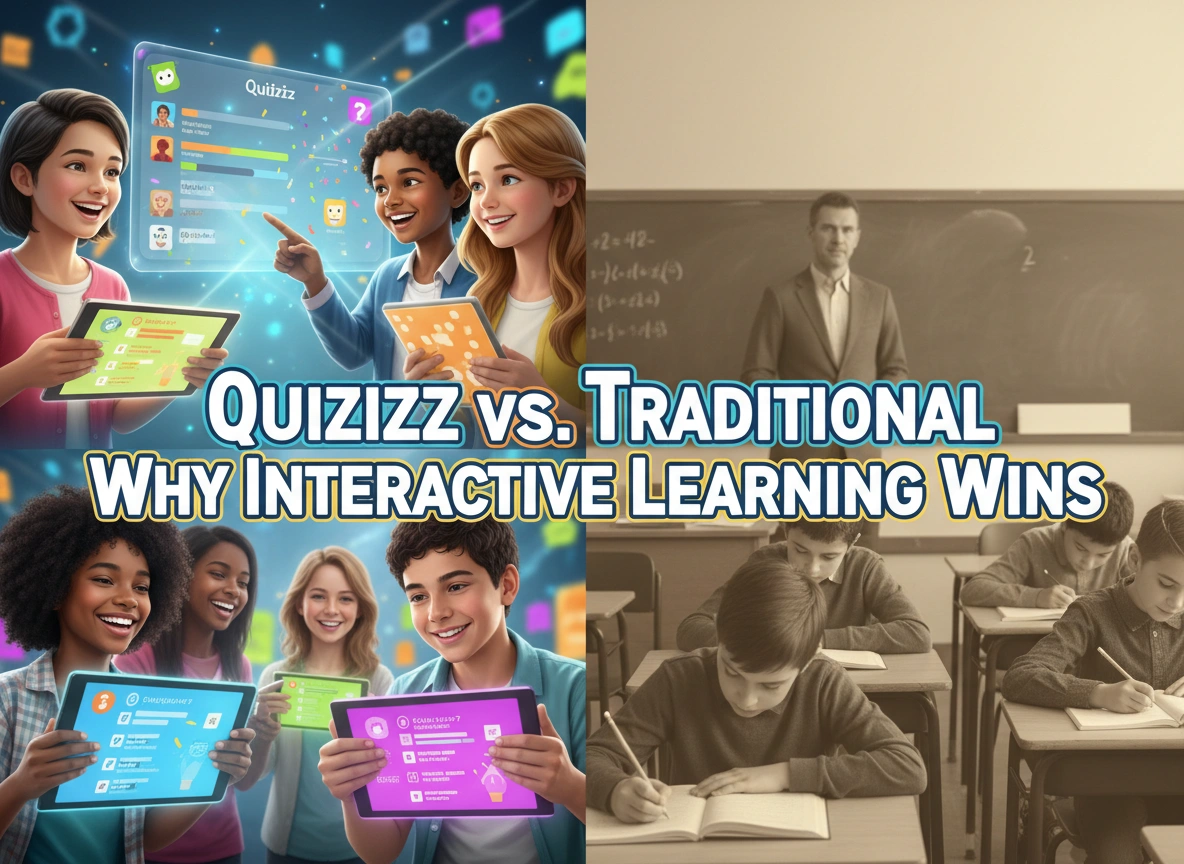
Assessments serve as the compass of education. They show educators what students understand and highlight areas needing more attention. For decades, the standard approach involved a quiet room, a stack of paper, and a strict time limit. Now, educators are rethinking how they measure student comprehension. Interactive platforms are challenging the long-held dominance of traditional quizzes.
This shift goes beyond simply moving a paper test to a computer screen. It represents a fundamental change in pedagogical strategy. By examining the mechanics of both approaches, we can understand why interactive learning provides superior results. This article explores the limitations of standard testing, the psychological benefits of gamified assessments, and how dynamic platforms improve knowledge retention.
The Core Differences in Assessment Methods
Contents
To understand why interactive learning yields better outcomes, we must first compare the structural differences between traditional and dynamic testing methods.
The Mechanics of Traditional Quizzes
Traditional quizzes rely on a uniform, static experience. Every student receives the exact same questions in the exact same format. The environment requires absolute silence, and the format prioritizes rote memorization and recall under pressure. Once the student completes the test, they hand it in and wait days or even weeks for the results.
This method treats assessment as a final judgment rather than a continuing part of the learning process. The delayed feedback loop prevents students from immediately correcting their misunderstandings. By the time the graded paper returns, the class has usually moved on to a new topic, making the feedback far less relevant and actionable.
The Interactive Approach
Interactive assessments fundamentally alter the testing environment. Instead of a silent, high-pressure room, interactive platforms introduce elements of gamification, self-pacing, and instant feedback. Questions might appear with visual aids, timers, and point systems.
Most importantly, interactive learning transforms the assessment from a summative endpoint into a formative learning experience. Students receive immediate validation when they answer correctly and instant remediation when they make a mistake. This turns the quiz itself into a highly effective instructional tool.
The Limitations of Pen-and-Paper Testing
While traditional quizzes have served a purpose, their structural limitations often hinder true educational progress.
Delayed Feedback Loops
Cognitive science shows that immediate feedback is crucial for correcting misconceptions. When a student answers a question incorrectly on a paper test, that incorrect information stays in their mind unchallenged until the teacher grades and returns the paper. This delay allows the incorrect knowledge to solidify.
When students finally see their graded papers, they rarely review their mistakes deeply. Most simply look at the final score and put the paper away. The opportunity for meaningful correction disappears, leaving gaps in their foundational knowledge that will impact future learning.
High Stress and Test Anxiety
Standardized testing environments naturally induce stress. The formal setup, the ticking clock, and the weight of the final grade trigger anxiety in many students. High stress levels actively impair cognitive function, specifically working memory. This means a student might fully understand a concept but fail to demonstrate that knowledge during a traditional quiz due to anxiety.
Furthermore, traditional tests often feel punitive. Students view them as opportunities to lose points rather than opportunities to demonstrate mastery. This negative framing diminishes intrinsic motivation and makes students dread the assessment process.
Why Interactive Learning Outperforms Traditional Methods
Interactive learning platforms flip the script on assessments. By incorporating elements of play, autonomy, and real-time data, these tools create a much more effective learning environment.
Gamification Boosts Engagement
Gamification applies game-design elements to non-game contexts. Interactive quizzes use points, leaderboards, avatars, and visual rewards to motivate students. This taps into the brain’s dopamine system. When a student answers correctly and sees an immediate reward on screen, their brain releases dopamine, reinforcing the learning behavior and encouraging them to continue.
This increased engagement leads to higher participation rates. Students who normally avoid answering questions in class often become highly active participants during gamified quizzes. The competitive yet low-stakes environment encourages risk-taking. Students are less afraid of making mistakes because the platform frames errors as part of the game rather than personal failures.
Immediate Remediation and Feedback
The defining advantage of interactive learning is the immediate feedback loop. When a student selects an answer, the platform instantly reveals whether it was correct or incorrect. If incorrect, the platform can immediately display the correct answer and a brief explanation.
This instant remediation stops misconceptions in their tracks. The student learns the correct information while the question is still fresh in their mind. This real-time correction is impossible to achieve with traditional paper grading, especially in a classroom of twenty or thirty students.
Analyzing the Impact on Knowledge Retention
The ultimate goal of any educational tool is to help students retain information long-term. Interactive quizzes utilize several cognitive principles that make learning stick.
Active Participation vs. Passive Recall
Traditional quizzes often encourage cramming—a passive form of learning where students memorize facts just long enough to pass the test, only to forget them shortly after. Interactive learning promotes active participation.
The engaging nature of interactive quizzes requires high levels of focus. Students interact with the material, make rapid decisions, and immediately process the results of those decisions. This active processing creates stronger neural pathways, making it easier for students to retrieve the information later.
Data-Driven Instruction
Interactive platforms do not just benefit the students; they provide educators with a wealth of actionable data. While a paper test provides a final score, an interactive platform provides granular analytics.
Teachers can see exactly how long students spent on specific questions, which concepts the entire class struggled with, and which students need individual intervention. This allows educators to adjust their lesson plans immediately. If the data shows that eighty percent of the class missed a question about fractions, the teacher knows they need to reteach that specific concept before moving forward.
Integrating Interactive Platforms into Modern Education
Educators around the world are actively replacing static worksheets with dynamic digital assessments. Implementing these tools requires a strategic approach to ensure they enhance rather than distract from the curriculum.
Teachers utilizing platforms like quizizz notice a measurable shift in classroom dynamics. Assessments transform from a dreaded chore into an anticipated activity. These platforms allow teachers to create custom assessments, pull from vast libraries of pre-made content, and assign quizzes for both in-class activities and homework.
The flexibility of interactive platforms accommodates various learning styles. Visual learners benefit from images and charts embedded in the questions. Students who need more time can utilize self-paced modes, removing the pressure of keeping up with faster peers. This level of differentiation is incredibly difficult to achieve with standard paper assessments.
Furthermore, interactive platforms build psychological safety. Many digital quizzes allow students to participate anonymously or use pseudonyms on the public leaderboard while the teacher tracks their real progress privately. This removes the social stigma of answering incorrectly in front of peers, encouraging all students to participate fully.
Conclusion
The evidence heavily favors interactive learning methods over standard, static assessments. Traditional quizzes, with their delayed feedback, high-stress environments, and uniform structures, fail to maximize student potential. They measure knowledge at a single point in time but do little to actively improve it.
Interactive platforms transform the assessment process. By leveraging gamification, immediate feedback, and robust data analytics, these tools make learning engaging and highly effective. They reduce test anxiety, correct misconceptions instantly, and provide educators with the exact data they need to guide their instruction.
To improve learning outcomes in your environment, consider these actionable next steps:
- Identify one traditional quiz or worksheet in your current curriculum to replace with an interactive assessment.
- Utilize platform analytics to identify knowledge gaps in real-time, adjusting your next lesson based on the specific questions your students missed.
- Experiment with self-paced assessment modes to reduce test anxiety and support students who require more time to process information.
- Incorporate gamified elements into formative assessments to build a more positive, low-stakes testing culture.


Leave a Reply