 Skip to content


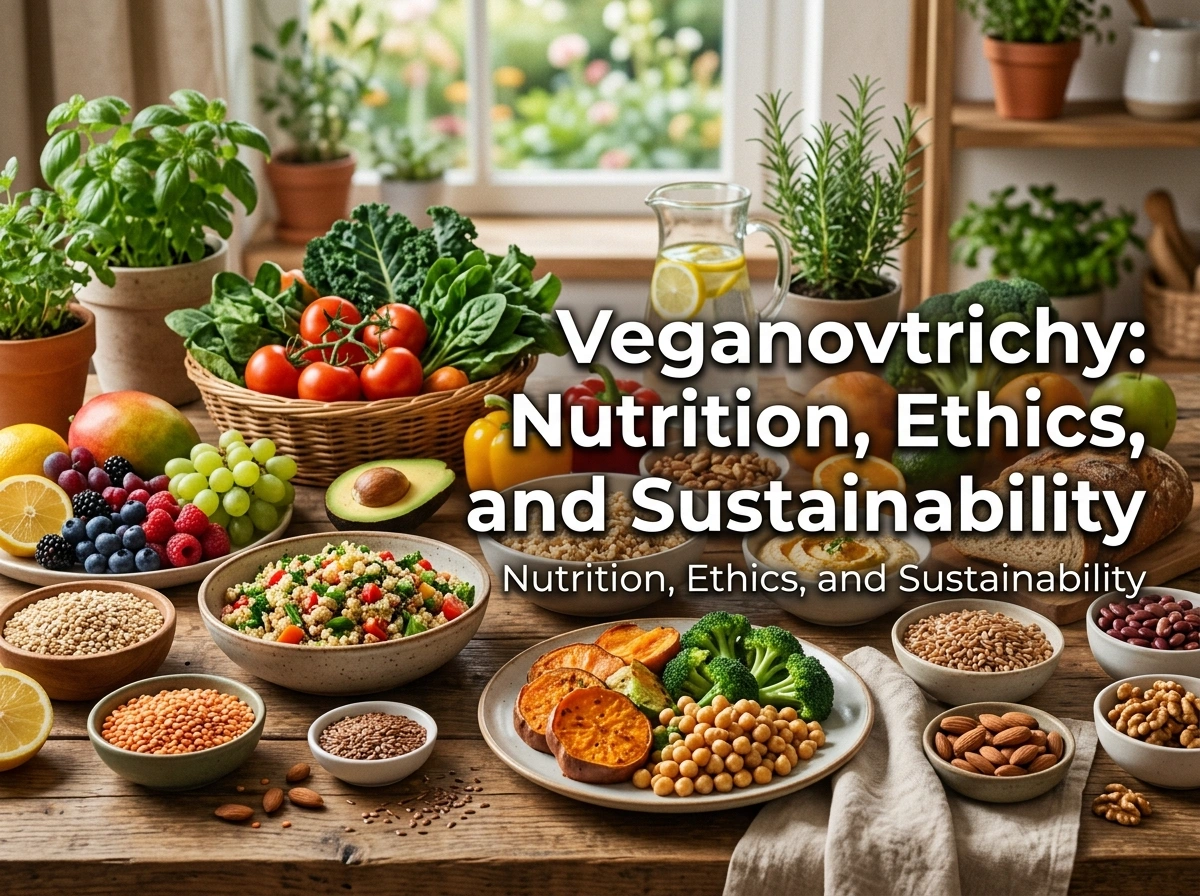
Plant-based living has moved far beyond a passing food trend. For many people, it has become a deliberate choice that ties together what they eat, what they value, and the kind of world they want to leave behind. At the heart of this conversation sits veganovtrichy, a community and resource that helps people understand how their daily food decisions ripple outward into health, compassion, and the planet’s future.
This article explores three pillars that make plant-based living so compelling: personal nutrition, animal ethics, and environmental sustainability. You will see how these threads connect, why they matter, and how a thoughtful approach can support all three at once.
Why Plant-Based Living Resonates Today
Contents
People rarely choose a vegan lifestyle for a single reason. Some start for their health. Others begin after learning about animal welfare. Many arrive through concern for the climate. What surprises most newcomers is how quickly these motivations overlap.
A choice made for one reason often delivers benefits across the board. Skip the meat for your heart, and you also reduce demand for factory farming and shrink your carbon footprint. This natural alignment is what gives plant-based living its lasting appeal.
That said, good intentions need good guidance. Without reliable information, it is easy to make choices that feel right but miss the mark. This is where structured, credible resources earn their value.
Nutrition: Feeding the Body Well
A well-planned plant-based diet can support people at every stage of life. The key word here is well-planned. Eating vegan does not automatically mean eating healthily, just as eating meat does not automatically mean eating poorly.
What a balanced plant-based plate looks like
A nourishing approach focuses on whole, minimally processed foods. Consider building meals around these groups:
- Legumes: lentils, chickpeas, and beans for protein and fiber
- Whole grains: brown rice, oats, quinoa, and millet for steady energy
- Vegetables and fruits: a wide range of colors for vitamins and antioxidants
- Nuts and seeds: almonds, walnuts, flaxseed, and chia for healthy fats
- Fortified foods: plant milks and cereals to cover specific nutrients
Nutrients worth tracking
Most people thrive on plant-based diets, but a few nutrients deserve attention. Vitamin B12 sits at the top of the list, since it is hard to obtain reliably from plants alone. A supplement or fortified food solves this easily.
Iron, zinc, omega-3 fatty acids, calcium, and vitamin D also reward a little planning. The good news is that countless plant foods supply these nutrients when meals are varied. Pairing iron-rich foods with vitamin C, for example, boosts absorption naturally.
The takeaway: nutrition on a plant-based diet is less about restriction and more about variety. Eat a wide range of whole foods, mind a handful of key nutrients, and the body responds well.
Ethics: Compassion as a Daily Practice
For many people, the ethical dimension is what transforms a diet into a way of life. Modern animal agriculture raises serious questions about how billions of animals are treated each year. Confined spaces, shortened lifespans, and industrial processing trouble a growing number of consumers.
Choosing plant-based foods is one direct way to step away from that system. Every meal becomes a small vote for a different model, one built on reducing harm rather than maximizing output.
Ethics extends beyond animals
Compassion-driven eating often expands to include people and communities. Many supporters of plant-based living care about fair labor in food production and equitable access to nutritious meals. The ethical lens, once opened, tends to widen.
This is why community matters. Sharing recipes, swapping tips, and discussing values keeps the ethical commitment grounded and practical rather than abstract. Resources like veganovtrichy help people turn good intentions into everyday habits, making ethical eating feel achievable instead of overwhelming.
Sustainability: Eating With the Planet in Mind
The environmental case for plant-based living is increasingly hard to ignore. Food production is a major driver of greenhouse gas emissions, land use, and water consumption. Animal agriculture, in particular, carries a heavy footprint.
The numbers behind the choice
Research consistently shows that plant-based diets tend to require fewer resources than diets heavy in animal products. Consider these general patterns:
- Lower emissions: producing plant foods typically generates fewer greenhouse gases than producing meat and dairy.
- Less land: crops grown for direct human consumption use land more efficiently than livestock.
- Reduced water use: many plant foods need far less water per calorie than animal products.
No single meal changes the climate. Yet the cumulative effect of millions of people shifting toward plant-rich plates is significant. Small daily choices add up to large collective impact.
Local and seasonal matters too
Sustainability is not only about cutting animal products. Choosing local, seasonal produce reduces transport emissions and supports regional growers. Minimizing food waste stretches resources further. A truly sustainable approach considers the full journey of food, from farm to plate.
How the Three Pillars Reinforce Each Other
The real strength of plant-based living lies in how nutrition, ethics, and sustainability support one another. They are not competing priorities but partners.
Here is a simple way to see the connection:
- Health choice: you eat more legumes, grains, and vegetables for better nutrition.
- Ethical outcome: that same shift reduces demand for industrial animal farming.
- Environmental benefit: it lowers your resource use and carbon footprint.
One decision, three rewards. This compounding effect is why so many people describe plant-based living as deeply satisfying. It aligns what they eat with what they believe.
A Practical Starting Framework
Beginning a plant-based journey does not require a dramatic overnight change. A gradual, sustainable approach tends to last longer. Try this simple framework:
- Start small: replace one or two meals a week to begin.
- Learn the basics: focus on protein sources and the key nutrients mentioned earlier.
- Build a recipe rotation: find five to ten meals you genuinely enjoy.
- Lean on community: connect with others for support and ideas.
- Reflect on your why: revisit the health, ethical, or environmental reasons that motivate you.
Watch for one common mistake: trying to be perfect immediately. Progress matters more than perfection. A flexible mindset keeps the journey enjoyable and durable.
Conclusion
Plant-based living offers a rare alignment of personal benefit and broader responsibility. It nourishes the body, honors a commitment to compassion, and lightens the strain on our planet. These pillars are not separate paths but a single, connected choice.
Whether you are curious, committed, or somewhere in between, the most important step is the next one. Start with a single meal, explore trusted resources, and let your values guide your plate. Small, steady changes today shape a healthier body, a kinder world, and a more sustainable future.

Leave a Reply