 Skip to content


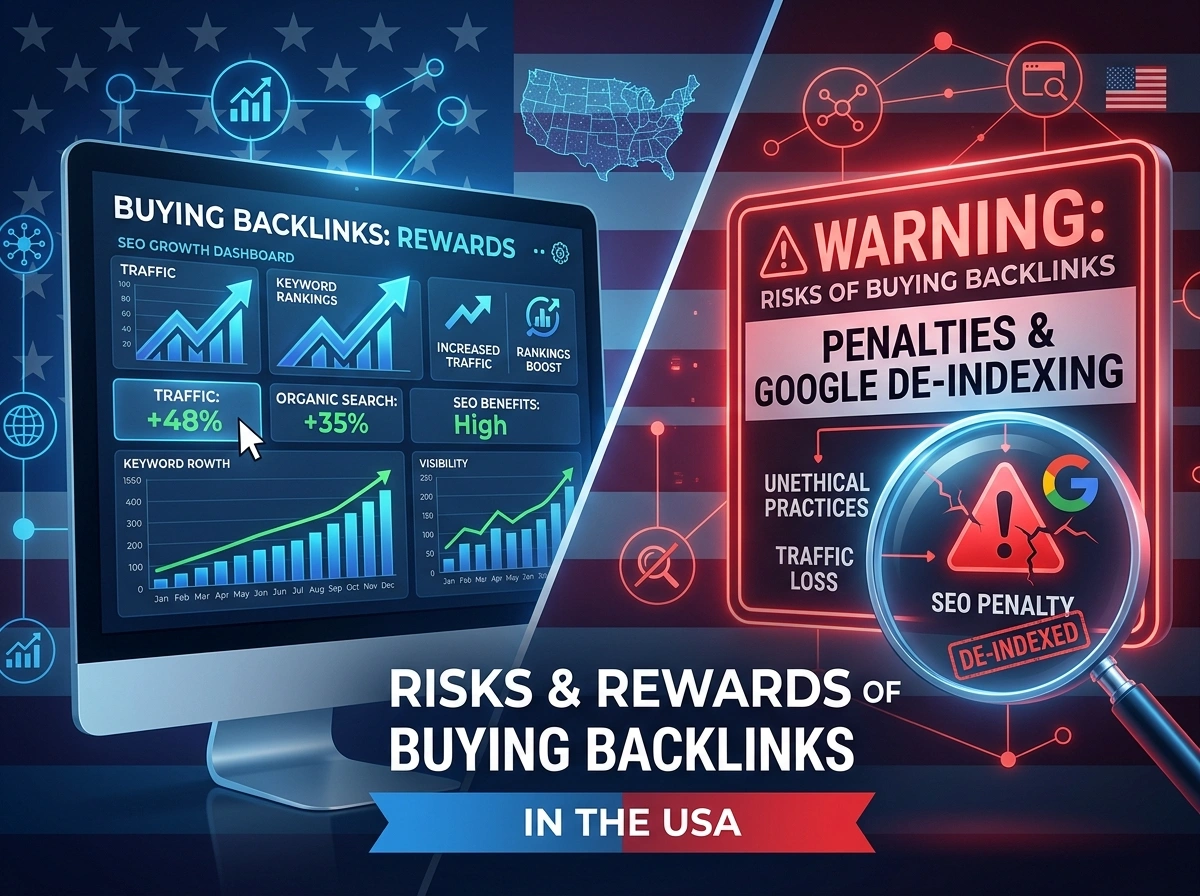
Search engine optimization is an ever-evolving discipline, yet one fundamental element remains relatively constant: backlinks are vital for search visibility. A backlink acts as a vote of confidence from one website to another. Search engines treat these votes as indicators of authority, relevance, and trust. Because acquiring these links organically takes immense time and resources, many businesses consider purchasing them directly to expedite their ranking goals.
Navigating the link-building ecosystem requires a deep understanding of how search engines evaluate websites. In the competitive landscape of the United States, securing high-quality placements can be the difference between dominating search results and remaining invisible. Companies invest heavily in content marketing, digital PR, and outreach to earn placements on authoritative domains. However, the sheer effort required to maintain a consistent influx of organic links pushes many digital marketers toward paid alternatives.
Purchasing link placements is a hotly debated topic within the search engine optimization community. While search engine guidelines officially discourage the practice of exchanging money for links that pass PageRank, the reality is that a significant portion of the industry relies on paid placements to achieve their commercial goals. The line between a paid placement and a legitimate digital PR expense often blurs, leaving website owners to weigh the potential growth against the associated risks.
This guide explores the complex dynamics of paid link building. We will examine the tangible benefits of a structured paid link acquisition strategy, the severe consequences of violating search engine guidelines, and the best practices for maintaining a healthy, authoritative link profile in a highly competitive market.
The Potential Rewards of Purchasing Backlinks
Contents
Investing capital into link building offers several distinct advantages for businesses looking to scale their organic search presence. When executed carefully, a paid link strategy provides a level of control and predictability that purely organic campaigns often lack.
Accelerated Search Engine Rankings
Organic link building is inherently slow. Pitching journalists, writing guest posts, and creating linkable assets takes months of preparation before a single placement goes live. Purchasing links bypasses this lengthy outreach phase. By paying for placements on established websites with existing traffic, businesses can inject authority into their domains much faster. This accelerated timeline is particularly valuable for new websites or businesses launching time-sensitive campaigns that need to rank for commercial keywords within a few months rather than a few years.
Targeted Placements and Niche Edits
When you rely entirely on organic link acquisition, you have very little control over where your link appears or what text surrounds it. Paid link building provides a high degree of control over the placement. Marketers can specify the exact URL they want to promote and negotiate the specific anchor text used for the link. Furthermore, businesses can purchase niche edits, which involve placing a link within an existing, aged article that already ranks well and generates organic traffic. This passes immediate link equity directly to the target page.
Scalable and Predictable Results
Corporate SEO campaigns require measurable return on investment and predictable growth. Organic outreach campaigns often suffer from unpredictable conversion rates; you might send hundreds of emails and secure zero links. Paid link building transforms this volatile process into a predictable transaction. You know exactly how many links you will acquire for your budget, allowing for accurate forecasting and scaling. If a campaign requires fifty high-authority links to compete for a specific keyword, a paid strategy can guarantee that volume within a set timeframe.
Securing a Competitive Advantage
In highly lucrative US markets such as finance, healthcare, and legal services, the competition for search visibility is fierce. Competitors in these spaces almost certainly allocate large budgets toward link acquisition. Attempting to outrank these established domains using only passive, organic strategies is often an uphill battle. Strategically purchasing high-quality links allows ambitious companies to close the authority gap and compete directly with industry giants for top search engine results pages.
Significant Risks and Search Engine Penalties
While the rewards can be substantial, the risks associated with paid link building are equally significant. Search engines dedicate vast resources to identifying and neutralizing artificial link schemes.
Search Engine Algorithm Updates
Google frequently updates its core algorithm to combat web spam and manipulate link-building tactics. Updates specifically targeting link spam evaluate the naturalness of a website’s backlink profile. If an algorithm detects patterns indicative of paid links—such as exact match anchor text over-optimization or links from irrelevant, low-quality directories—it can devalue those links. When search engines ignore your purchased links, you lose the ranking benefits, resulting in wasted financial investment and a sudden drop in search visibility.
The Danger of Private Blog Networks (PBNs)
A major risk in the paid link market is accidentally purchasing placements on Private Blog Networks. PBNs are networks of websites created solely to sell links and manipulate search engine rankings. These sites usually offer little to no value to actual human readers. While a PBN link might provide a temporary ranking boost, search engines are highly adept at identifying the digital footprints connecting these networks. Once a PBN is discovered, any website receiving links from it can face severe ranking drops.
Manual Actions and Domain Blacklisting
Beyond algorithmic devaluations, search engines also employ human reviewers to enforce webmaster guidelines. If a reviewer determines that a website is actively participating in a link scheme, they can apply a manual action to the site. A manual action explicitly penalizes the domain, pushing it far down the search results or removing it from the search index entirely. Recovering from a manual action requires identifying the toxic links, removing them, submitting a disavow file, and filing a reconsideration request—a process that can take months and severely damage a business’s revenue stream.
Wasted Budget on Low-Quality Vendors
The SEO industry is saturated with vendors offering link-building services. Unfortunately, many of these providers utilize automated software or rely on spammy tactics that do more harm than good. Businesses risk spending thousands of dollars on links from sites with inflated metrics, zero organic traffic, or compromised security. Without the expertise to audit link prospects properly, companies can easily burn through their marketing budgets while simultaneously jeopardizing their website’s standing with search engines.
Ethical Considerations and Best Practices
To navigate the complexities of paid link acquisition without triggering penalties, businesses must adopt rigorous standards and ethical frameworks. The goal is to mimic natural link-building patterns while maintaining high editorial standards.
Emphasize White-Hat Link Building
The safest approach to securing placements involves maintaining a commitment to quality. Instead of paying for sheer volume, organizations should focus on acquiring links that provide genuine value to the hosting website’s audience. When companies decide to buy backlinks, they must ensure the process mirrors traditional digital PR. This means placing links within highly relevant, well-researched content on websites that receive actual human traffic. The transaction should feel less like buying a standalone link and more like sponsoring high-quality content creation.
Rigorously Vet Every Domain
Never accept a link placement without conducting a thorough audit of the target domain. Do not rely solely on third-party metrics like Domain Authority or Domain Rating, as these numbers can be manipulated. Instead, examine the website’s organic traffic trends using professional SEO software. Verify that the site ranks for keywords relevant to your industry. Check the outbound link profile to ensure the site is not linking to questionable industries or known spam networks. A legitimate website will have a clean, balanced link profile and publish content that actual humans want to read.
Diversify Your Anchor Text
One of the most common ways search engines identify unnatural link building is through an over-optimized anchor text profile. If fifty percent of your backlinks use the exact same commercial keyword as the anchor text, your site will inevitably trigger a spam filter. A natural backlink profile features a wide variety of anchor texts, including branded terms, naked URLs, generic phrases, and partial match keywords. When negotiating paid placements, insist on using conversational, contextually relevant anchor text that blends seamlessly into the surrounding paragraph.
Maintain Transparency and Consistent Monitoring
A successful link-building campaign requires ongoing maintenance. Keep detailed records of every acquired link, noting the cost, placement date, target URL, and agreed-upon metrics. Regularly monitor these links to ensure they remain live and hold their value. Occasionally, webmasters may remove paid links or change them to “nofollow” without notification. By actively monitoring your link profile, you can hold vendors accountable and quickly identify any sudden influx of negative SEO attacks or toxic links that require disavowing.
Understanding the mechanics of search engine optimization requires acknowledging the complex role that backlinks play. Acquiring these digital endorsements is essential for visibility, yet the methods used to obtain them carry varying degrees of risk. By approaching link acquisition with a critical eye, focusing on relevance, and demanding transparency from vendors, businesses can safely improve their search presence.
Success in modern SEO requires a balanced approach. Treat link building as an extension of your overall digital public relations and content marketing strategies. Prioritize editorial integrity and user experience above raw metrics. By doing so, you can build a resilient, authoritative web presence that withstands algorithm shifts and drives sustainable organic traffic.








Leave a Reply