 Skip to content


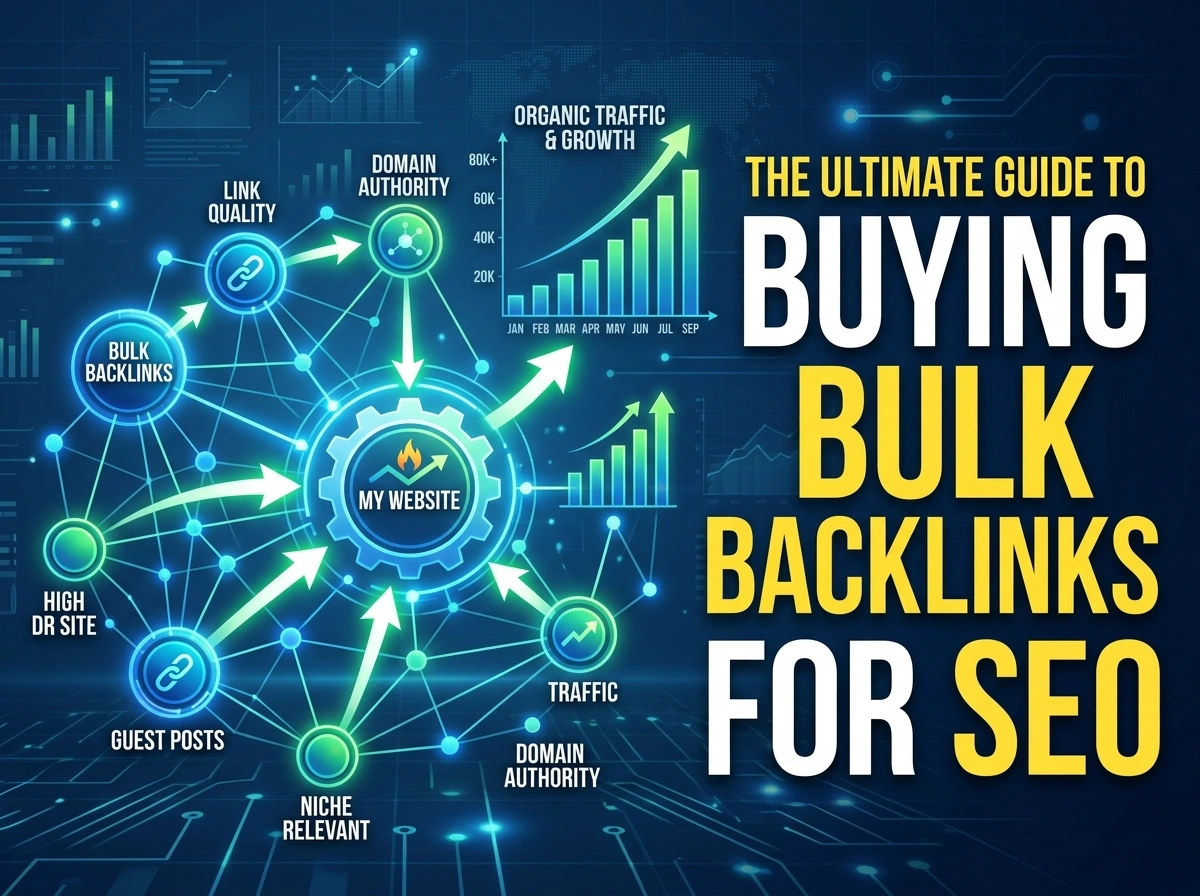
Securing high-quality backlinks remains one of the most effective ways to improve organic search rankings. However, manual outreach is notoriously slow, resource-heavy, and often unpredictable. For growing businesses and digital agencies, scaling link building is a major bottleneck.
Many marketing teams eventually look for ways to accelerate this process. Purchasing links in large quantities offers a tempting solution, allowing you to bypass tedious prospecting and negotiation. You can instantly acquire the domain authority needed to compete for commercial keywords.
That said, navigating the link-building market requires caution. A poorly executed campaign can result in wasted budgets or, worse, search engine penalties. This guide explains how to safely and effectively scale your link-building efforts, protecting your domain while driving measurable traffic growth.
Understanding Backlinks and SEO Success
Contents
Search engines like Google treat backlinks as votes of confidence. When a reputable website links to your domain, it signals that your content is valuable and trustworthy. The more high-quality votes you accumulate, the higher your pages will rank in search results.
Not all links provide the same value. A single link from a highly trusted, niche-relevant publication carries significantly more weight than dozens of links from obscure directories. Successful SEO campaigns focus on acquiring contextual placements on domains with high Domain Rating (DR) and genuine organic traffic.
Benefits of Acquiring Backlinks at Scale
For businesses looking to dominate search results quickly, scaling your link acquisition strategy provides several distinct advantages.
Rapid Execution and Predictability
Manual link building often yields inconsistent results. You might spend weeks pitching editors only to secure a handful of placements. When you purchase links systematically, you gain total predictability. You know exactly how many placements you will receive, their target DR, and the expected delivery timeframe.
Cost and Resource Efficiency
Running an internal link-building team requires salaries for prospectors, outreach specialists, and content writers. Outsourcing this infrastructure allows you to reallocate those funds toward other marketing initiatives. Agencies can handle the end-to-end process, from content creation to final placement.
How to Choose the Right Backlink Provider
The link-building industry is filled with low-quality vendors. Selecting a trustworthy agency is the most crucial step in your SEO journey.
Look for providers that guarantee white-hat methods and contextual placements. The best agencies offer transparent pricing and secure links from domains topically aligned with your industry. They should also provide a mix of dofollow and nofollow links to keep your backlink profile looking natural.
If you want a reliable partner that offers a 30-day money-back guarantee and secures DR 40-90+ placements, consider using an established agency to Buy Bulk Backlinks. Verified providers handle the tedious outreach for you, ensuring your domain is protected from toxic link farms.
Risks and Best Practices for Bulk Link Building
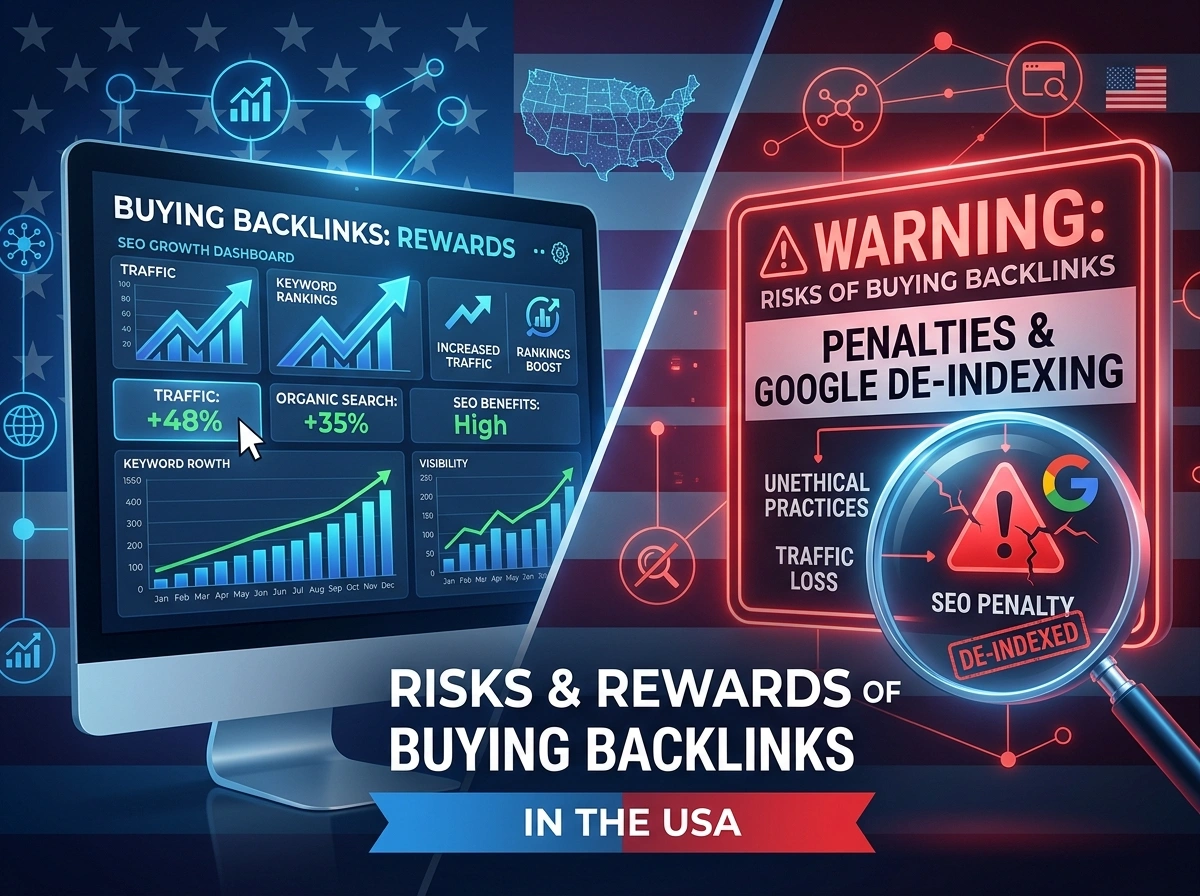
Purchasing links does come with inherent risks. Search engines actively penalize websites that manipulate their rankings using manipulative schemes.
Avoid Private Blog Networks (PBNs)
Never buy links from PBNs. These are networks of sites created solely to sell links. Google’s algorithms are highly adept at identifying and devaluing them. Always insist on placements on real websites with genuine, verifiable organic traffic.
Focus on Niche Relevance
A link from a high-DR site will do little for your rankings if the content is entirely unrelated to your business. Search engines analyze the surrounding text and the broader topic of the linking domain. Ensure your provider targets sites that align with your specific industry.
Maintain Anchor Text Diversity
Using exact-match commercial keywords for every link is a massive red flag. A natural backlink profile includes a healthy mix of branded anchors, naked URLs, and long-tail variations.
Measuring the Success of Your Backlink Strategy
To justify your link-building investment, you must track the right key performance indicators (KPIs) over a 30- to 60-day period.
Start by monitoring your target keyword rankings using tools like Ahrefs or Semrush. You should see a steady climb in positions for the specific pages receiving the new links. Next, track your overall organic traffic in Google Analytics. An effective campaign will drive a noticeable increase in unique visitors from search engines. Finally, watch your site’s Domain Rating. As high-authority links point to your site, your own domain authority will naturally increase, making it easier to rank future content.
Scaling Your SEO with Confidence
Scaling your organic growth does not have to be a slow, frustrating process. By understanding the mechanics of high-quality placements and partnering with transparent, white-hat providers, you can rapidly improve your search visibility. Focus on niche relevance, avoid toxic networks, and monitor your traffic metrics closely. With a strategic approach to link acquisition, your website will be well-positioned to dominate the search results and drive sustainable revenue growth.




Leave a Reply